Habits – Who Before Do
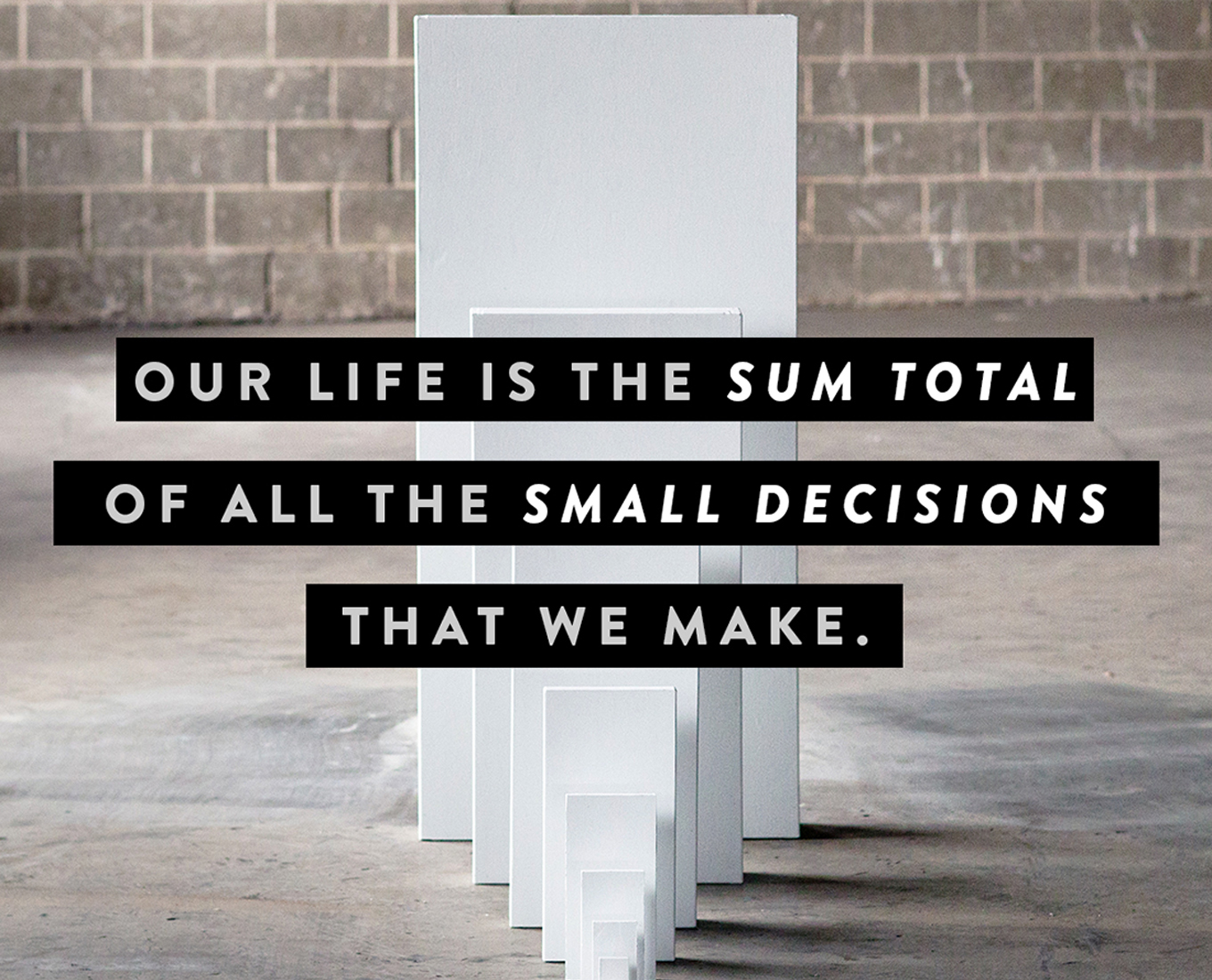
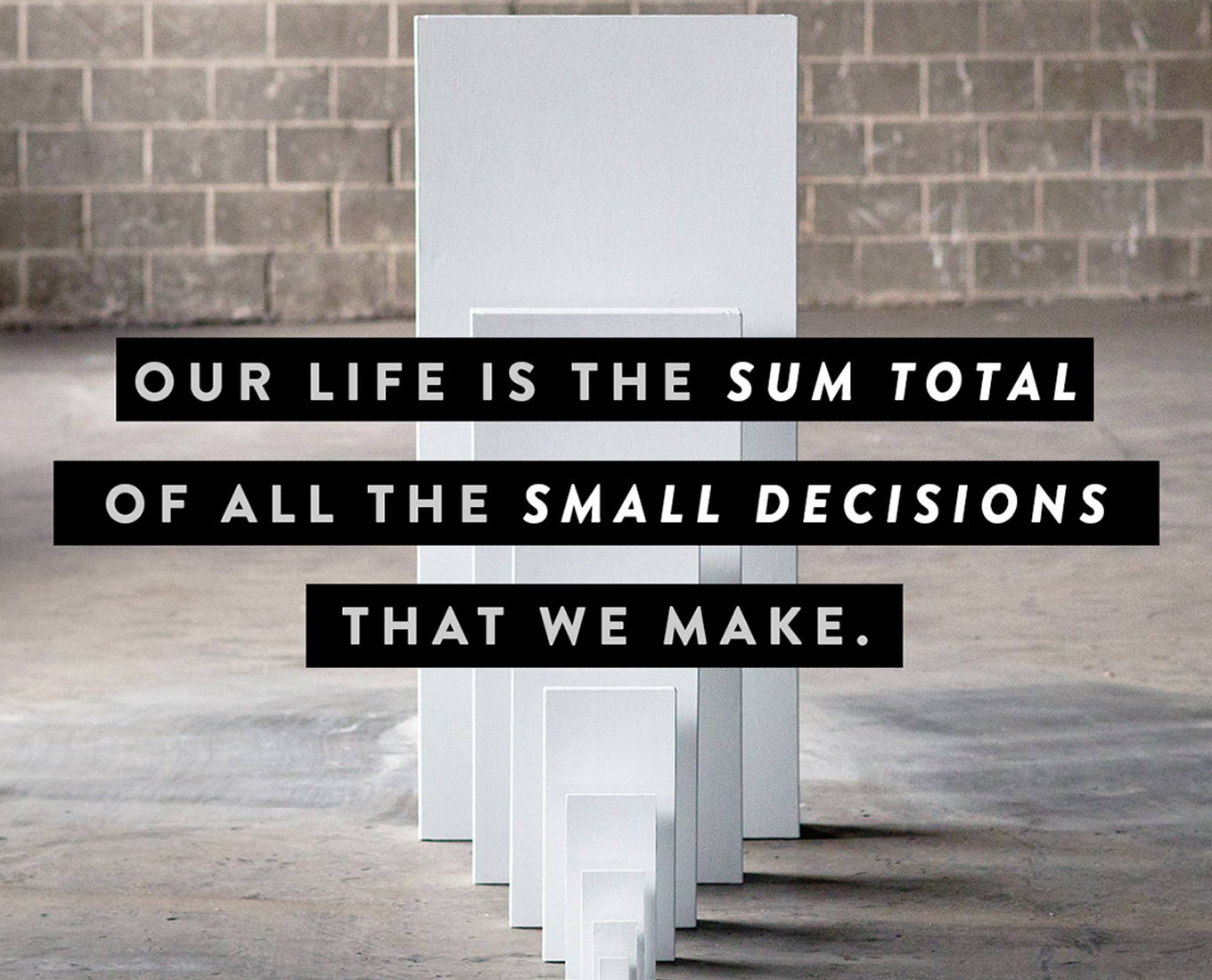
Take a moment to conduct a mental audit of your last typical day. From the instant your alarm blared, your day unfolded as a sequence of deeply ingrained patterns. The way you silenced the alarm, the foot that first hit the floor, the path you took to the bathroom, your coffee-making ritual, and the familiar commute to work—all these actions likely occurred on autopilot, without requiring much, if any, conscious thought. This is the hidden force that shapes our existence: habit. Our lives are not so much a product of grand, decisive moments as they are the sum of our small, repeated behaviors. A landmark study from Duke University brought this into sharp focus, revealing that a staggering 40% of our daily actions are not the result of active decisions but are driven by habit.
The Power of Small, Consistent Habits: Your Life on Autopilot
Take a moment to conduct a mental audit of your last typical day. From the instant your alarm blared, your day unfolded as a sequence of deeply ingrained patterns. The way you silenced the alarm, the foot that first hit the floor, the path you took to the bathroom, your coffee-making ritual, and the familiar commute to work—all these actions likely occurred on autopilot, without requiring much, if any, conscious thought. This is the hidden force that shapes our existence: habit. Our lives are not so much a product of grand, decisive moments as they are the sum of our small, repeated behaviors. A landmark study from Duke University brought this into sharp focus, revealing that a staggering 40% of our daily actions are not the result of active decisions but are driven by habit.
This statistic is both sobering and empowering. It’s sobering because it means that nearly half of our lives are governed by unconscious scripts, many of which we may have never intentionally written. It’s empowering because it provides a clear roadmap for change: if you want to alter the destination of your life, you must first reprogram the autopilot. You must consciously and deliberately change your daily habits.
Many of us share the same fundamental aspirations. We desire to be physically healthy, to cultivate deep and meaningful relationships, to achieve a level of financial freedom that allows for security and generosity, and, as followers of Christ, to grow in our intimacy with God. Yet, despite these universal goals, the outcomes we experience are wildly different. Why does one person succeed in getting fit while another struggles for years? Why does one family grow closer while another drifts apart? The answer lies not in the quality of their goals, but in the effectiveness of their systems. As author James Clear powerfully articulates in his book Atomic Habits, our success is not ultimately determined by our ambitions. He famously wrote, “You don’t rise to the level of your goals, you fall to the level of your systems.” In essence, your daily routines and ingrained habits are the very foundation upon which your future is built, for better or for worse.
A profound biblical illustration of a life built on a successful system is the story of Daniel. He was a man renowned for his exceptional qualities, a leader who stood out even among the most elite in the nation. His legacy is not merely defined by his miraculous survival in the lion’s den; his character was forged and refined long before that climactic test, through the steady practice of a simple, unwavering habit. When a royal decree was issued that forbade prayer to anyone but the king—a law designed specifically to entrap him—Daniel did not waver. Scripture tells us that he went home to his upstairs room, opened his windows toward Jerusalem, and, three times a day, just as he had done before, he got down on his knees and prayed.
This was not a new practice born of crisis; it was the consistent, disciplined rhythm of his life. This small, daily act of devotion, repeated faithfully over decades, was the very bedrock of his identity and the source of his unwavering integrity. It was the system that nourished his spirit, gave him wisdom, and provided him the strength to remain faithful when his very life was at stake.
Daniel’s prayer routine is a perfect example of what Charles Duhigg calls a keystone habit—a single, core discipline that creates a positive chain reaction, making it easier to adopt other beneficial habits. Think of it as the first domino in a long line: one small push sets off a cascade of positive changes. For instance, the simple act of making your bed each morning can be a keystone habit. It starts the day with a small victory and a sense of order, which can lead to a more organized workspace, clearer thinking, and a more productive day.
Over the past three decades, I have personally focused on adding just one new discipline to my life each year. While no single habit—whether it was flossing, tithing, or daily Bible reading—was a magic bullet, the cumulative effect of more than 20 small, consistent habits has profoundly reshaped my faith, my role as a husband and father, and my effectiveness as a leader.
So, how do you begin this transformative process? It starts not with what you want to do, but with who you want to become. Based on that vision for your identity, choose one small habit you can start today. The crucial element here is to make it incredibly easy and obvious. Don’t attempt a complete life overhaul overnight. If your goal is to be a more knowledgeable Christian, don’t commit to reading the Bible for an hour a day; start by simply reading one verse. If you want to be a more connected spouse, don’t plan an elaborate date night; start by holding hands and thanking God for one thing together each evening.
To weave this new behavior into the fabric of your life, use this simple but powerful formula: “I will do [new habit] after I [current habit].” This technique, known as habit stacking, links your desired behavior to an established part of your routine. For example: “After I pour my morning coffee, I will read the verse of the day.” Or, “After I brush my teeth at night, I will write one sentence in my journal.” By anchoring your new habit to an existing one, you create a powerful trigger that makes the action almost automatic.
Ultimately, this journey is about shifting our focus from what we achieve to who we are becoming. So often, we get caught in the trap of setting “means goals”—goals that always have a “so that…” attached, perpetually deferring our sense of peace and fulfillment to a future accomplishment. The most profound goal we can pursue is an “end goal”: to become more like Christ. When that becomes the central aim of your life, success is no longer a distant destination you are striving for. Instead, it is found and experienced in the small, faithful, and obedient acts of today. When you are faithful in the small things, you are not just building better habits; you are building a life of purpose, worship, and deep satisfaction that truly honors God.
Leave a Reply