Category: Messages

  • Habits – Who Before Do

    Habits – Who Before Do

    Habits - Who Before Do

    Habits – Who Before Do

    Take a moment to conduct a mental audit of your last typical day. From the instant your alarm blared, your day unfolded as a sequence of deeply ingrained patterns. The way you silenced the alarm, the foot that first hit the floor, the path you took to the bathroom, your coffee-making ritual, and the familiar commute to work—all these actions likely occurred on autopilot, without requiring much, if any, conscious thought. This is the hidden force that shapes our existence: habit. Our lives are not so much a product of grand, decisive moments as they are the sum of our small, repeated behaviors. A landmark study from Duke University brought this into sharp focus, revealing that a staggering 40% of our daily actions are not the result of active decisions but are driven by habit.

    The Power of Small, Consistent Habits: Your Life on Autopilot

    Take a moment to conduct a mental audit of your last typical day. From the instant your alarm blared, your day unfolded as a sequence of deeply ingrained patterns. The way you silenced the alarm, the foot that first hit the floor, the path you took to the bathroom, your coffee-making ritual, and the familiar commute to work—all these actions likely occurred on autopilot, without requiring much, if any, conscious thought. This is the hidden force that shapes our existence: habit. Our lives are not so much a product of grand, decisive moments as they are the sum of our small, repeated behaviors. A landmark study from Duke University brought this into sharp focus, revealing that a staggering 40% of our daily actions are not the result of active decisions but are driven by habit.

    This statistic is both sobering and empowering. It’s sobering because it means that nearly half of our lives are governed by unconscious scripts, many of which we may have never intentionally written. It’s empowering because it provides a clear roadmap for change: if you want to alter the destination of your life, you must first reprogram the autopilot. You must consciously and deliberately change your daily habits.

    Many of us share the same fundamental aspirations. We desire to be physically healthy, to cultivate deep and meaningful relationships, to achieve a level of financial freedom that allows for security and generosity, and, as followers of Christ, to grow in our intimacy with God. Yet, despite these universal goals, the outcomes we experience are wildly different. Why does one person succeed in getting fit while another struggles for years? Why does one family grow closer while another drifts apart? The answer lies not in the quality of their goals, but in the effectiveness of their systems. As author James Clear powerfully articulates in his book Atomic Habits, our success is not ultimately determined by our ambitions. He famously wrote, “You don’t rise to the level of your goals, you fall to the level of your systems.” In essence, your daily routines and ingrained habits are the very foundation upon which your future is built, for better or for worse.

    A profound biblical illustration of a life built on a successful system is the story of Daniel. He was a man renowned for his exceptional qualities, a leader who stood out even among the most elite in the nation. His legacy is not merely defined by his miraculous survival in the lion’s den; his character was forged and refined long before that climactic test, through the steady practice of a simple, unwavering habit. When a royal decree was issued that forbade prayer to anyone but the king—a law designed specifically to entrap him—Daniel did not waver. Scripture tells us that he went home to his upstairs room, opened his windows toward Jerusalem, and, three times a day, just as he had done before, he got down on his knees and prayed.

    This was not a new practice born of crisis; it was the consistent, disciplined rhythm of his life. This small, daily act of devotion, repeated faithfully over decades, was the very bedrock of his identity and the source of his unwavering integrity. It was the system that nourished his spirit, gave him wisdom, and provided him the strength to remain faithful when his very life was at stake.

    Daniel’s prayer routine is a perfect example of what Charles Duhigg calls a keystone habit—a single, core discipline that creates a positive chain reaction, making it easier to adopt other beneficial habits. Think of it as the first domino in a long line: one small push sets off a cascade of positive changes. For instance, the simple act of making your bed each morning can be a keystone habit. It starts the day with a small victory and a sense of order, which can lead to a more organized workspace, clearer thinking, and a more productive day.

    Over the past three decades, I have personally focused on adding just one new discipline to my life each year. While no single habit—whether it was flossing, tithing, or daily Bible reading—was a magic bullet, the cumulative effect of more than 20 small, consistent habits has profoundly reshaped my faith, my role as a husband and father, and my effectiveness as a leader.

    So, how do you begin this transformative process? It starts not with what you want to do, but with who you want to become. Based on that vision for your identity, choose one small habit you can start today. The crucial element here is to make it incredibly easy and obvious. Don’t attempt a complete life overhaul overnight. If your goal is to be a more knowledgeable Christian, don’t commit to reading the Bible for an hour a day; start by simply reading one verse. If you want to be a more connected spouse, don’t plan an elaborate date night; start by holding hands and thanking God for one thing together each evening.

    To weave this new behavior into the fabric of your life, use this simple but powerful formula: “I will do [new habit] after I [current habit].” This technique, known as habit stacking, links your desired behavior to an established part of your routine. For example: “After I pour my morning coffee, I will read the verse of the day.” Or, “After I brush my teeth at night, I will write one sentence in my journal.” By anchoring your new habit to an existing one, you create a powerful trigger that makes the action almost automatic.

    Ultimately, this journey is about shifting our focus from what we achieve to who we are becoming. So often, we get caught in the trap of setting “means goals”—goals that always have a “so that…” attached, perpetually deferring our sense of peace and fulfillment to a future accomplishment. The most profound goal we can pursue is an “end goal”: to become more like Christ. When that becomes the central aim of your life, success is no longer a distant destination you are striving for. Instead, it is found and experienced in the small, faithful, and obedient acts of today. When you are faithful in the small things, you are not just building better habits; you are building a life of purpose, worship, and deep satisfaction that truly honors God.
  • Habits – Stopping

    Habits – Stopping

    Habits - Stopping

    Habits – Stopping

    Take a moment to conduct a mental audit of your last typical day. From the instant your alarm blared, your day unfolded as a sequence of deeply ingrained patterns. The way you silenced the alarm, the foot that first hit the floor, the path you took to the bathroom, your coffee-making ritual, and the familiar commute to work—all these actions likely occurred on autopilot, without requiring much, if any, conscious thought. This is the hidden force that shapes our existence: habit. Our lives are not so much a product of grand, decisive moments as they are the sum of our small, repeated behaviors. A landmark study from Duke University brought this into sharp focus, revealing that a staggering 40% of our daily actions are not the result of active decisions but are driven by habit.

    The Power of Habits

    What you do every day is largely a result of your habits, not your decisions. A study from Duke University found that up to 40% of our daily actions are a result of habits. This is why people with similar goals often get different results; goals don’t determine success, systems do. As author James Clear puts it, “You don’t rise to the level of your goals, but you fall to the level of your systems.”

    A powerful example of this is the biblical figure Daniel. His remarkable success and character weren’t due to one single heroic act, but a consistent, lifelong habit. He prayed to God three times a day, every day. This one “keystone habit” served as the anchor for his entire life, influencing all his other decisions. Daniel’s story shows that you should never underestimate what can be started through one small, faithful act of obedience.


    Building a New Habit

    To create a new, positive habit, there are two key steps:

    • Make it obvious. Design your environment to support your goals. For instance, place your vitamins on the counter where you’ll see them, or put a book on your pillow to remind you to read before bed.
    • Make it easy. Start with a very small, simple action. Instead of trying to read the whole Bible in a year, commit to reading just one verse a day. Starting small builds momentum and makes it easier to stick with the habit over time.

    You can create a system for your new habit by using this simple formula: “I will do [new habit] after I do [current habit].” This links a new action to an existing routine, making it easier to remember. For example, “I will do five push-ups after I make my morning coffee.”

    The most crucial part of habit formation is identity. Our habits are a reflection of who we believe we are. The goal is to focus on who you want to become, not just what you want to achieve. When you define your desired identity, your actions begin to align with that person.


    Consistency is Key

    Change rarely happens overnight. Your life is the sum of all the small decisions you make. While a single good or bad action may seem insignificant, their cumulative effect over time is massive. Your small acts of faithfulness are not wasted; they are being stored up. At some point, you will hit a “tipping point” where the results become undeniable to everyone else. They may call you an “overnight success,” but they won’t have seen the years of private sacrifice and consistency that led to that moment.

    Remember, “it’s the things that no one sees that bring results everyone wants.” The key is to not grow weary in doing good. As a Christian, your ultimate goal should be to become more like Christ. Success isn’t found in a distant result, but in being faithful to God in the small things, today.

  • Almost True

    Almost True

    Almost True

    Almost True

    Everywhere you turn, someone’s telling you how to live. A lot of times it’s well-intentioned and Almost True, but misses the mark in ways that can hurt us. How do we know which truths will actually lead to a meaningful life?

    Talk it Over

    [url]

    The Power of Habits

    What you do every day is largely a result of your habits, not your decisions. A study from Duke University found that up to 40% of our daily actions are a result of habits. This is why people with similar goals often get different results; goals don’t determine success, systems do. As author James Clear puts it, “You don’t rise to the level of your goals, but you fall to the level of your systems.”

    A powerful example of this is the biblical figure Daniel. His remarkable success and character weren’t due to one single heroic act, but a consistent, lifelong habit. He prayed to God three times a day, every day. This one “keystone habit” served as the anchor for his entire life, influencing all his other decisions. Daniel’s story shows that you should never underestimate what can be started through one small, faithful act of obedience.

    Building a New Habit

    To create a new, positive habit, there are two key steps:

    • Make it obvious. Design your environment to support your goals. For instance, place your vitamins on the counter where you’ll see them, or put a book on your pillow to remind you to read before bed.
    • Make it easy. Start with a very small, simple action. Instead of trying to read the whole Bible in a year, commit to reading just one verse a day. Starting small builds momentum and makes it easier to stick with the habit over time.

    You can create a system for your new habit by using this simple formula: “I will do [new habit] after I do [current habit].” This links a new action to an existing routine, making it easier to remember. For example, “I will do five push-ups after I make my morning coffee.”

    The most crucial part of habit formation is identity. Our habits are a reflection of who we believe we are. The goal is to focus on who you want to become, not just what you want to achieve. When you define your desired identity, your actions begin to align with that person.

    Consistency is Key

    Change rarely happens overnight. Your life is the sum of all the small decisions you make. While a single good or bad action may seem insignificant, their cumulative effect over time is massive. Your small acts of faithfulness are not wasted; they are being stored up. At some point, you will hit a “tipping point” where the results become undeniable to everyone else. They may call you an “overnight success,” but they won’t have seen the years of private sacrifice and consistency that led to that moment.

    Remember, “it’s the things that no one sees that bring results everyone wants.” The key is to not grow weary in doing good. As a Christian, your ultimate goal should be to become more like Christ. Success isn’t found in a distant result, but in being faithful to God in the small things, today.

  • Why Don’t I Feel Like Enough?

    Why Don’t I Feel Like Enough?

    Why Don’t I Feel Like Enough?

    Why Don’t I Feel Like Enough?

    We are constantly bombarded with a cultural message that feels both compelling and comforting: put yourself first. From social media to self-help books, the rallying cry is clear: you deserve “me time,” your needs come first, and you should cut anyone out of your life who doesn’t “add value” to it. This philosophy is so deeply ingrained that it feels like a natural truth. After all, isn’t it true that we instinctively look at ourselves first in every group photo? We quickly scan for our own image to determine if the picture is good or not. This instinct to put ourselves first is one of the most natural things we do.

    Talk it Over

    The Allure and Emptiness of the Self-First Life

    Yet, this natural instinct is constantly at odds with a higher calling and a deeper truth. While society urges us to prioritize ourselves, a powerful paradox emerges. We are a generation obsessed with self-care and personal fulfillment, yet we are more anxious, stressed, and depressed than ever before. If putting ourselves first is the key to happiness, why do we so often feel empty, isolated, and, in a word, “not enough?”

    The answer may be both simple and confronting: perhaps our problem isn’t that we don’t love ourselves enough, but that we love ourselves too much.

    The “me-first” mentality creates a self-centered view of the world. It can even lead to a self-centered version of spirituality, where we believe a higher power exists to serve our needs. We may claim to love this divine being, but in reality, we often love what we can get from it—a sense of peace, a better life, a promise of a future reward. When a prayer isn’t answered in the way we want or a hardship isn’t removed, our faith is shaken because it was built on a foundation of self-interest rather than a genuine, selfless relationship.

    A core principle found in timeless spiritual wisdom is the call to love a higher power and to love others. The teachings of Jesus make this clear. When asked about the greatest command, he didn’t say, “Love yourself.” He said to love a higher power with all your heart, soul, and mind, and to “love your neighbor as yourself.” The crucial distinction here is that he did not command us to love ourselves because he assumed we already do. He recognized that self-love is an innate human drive. The real challenge, then, is not to learn to love ourselves, but to redirect that powerful, innate love outward, toward something greater than ourselves and toward others.

    The Radical Alternative: The Call to Self-Denial

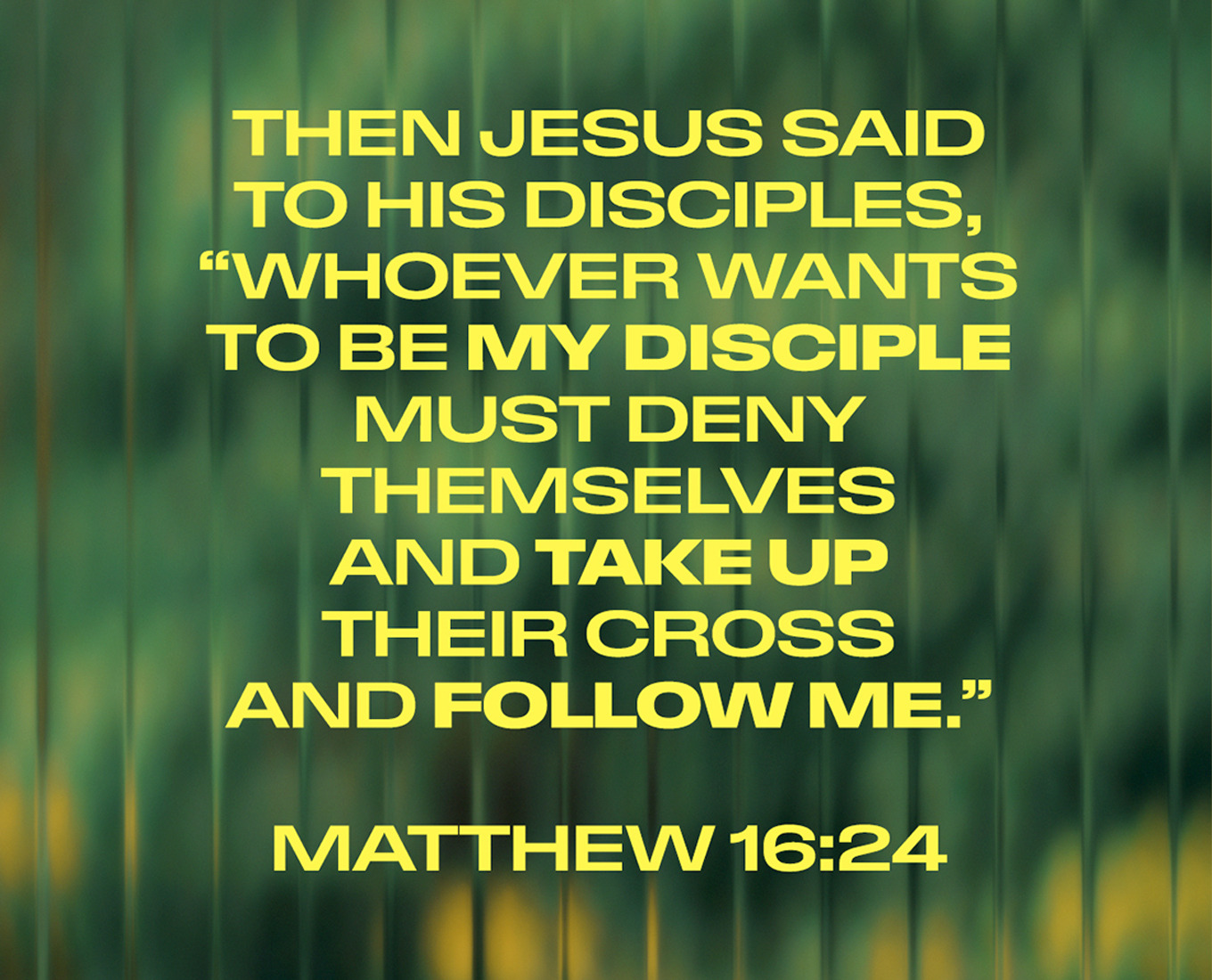
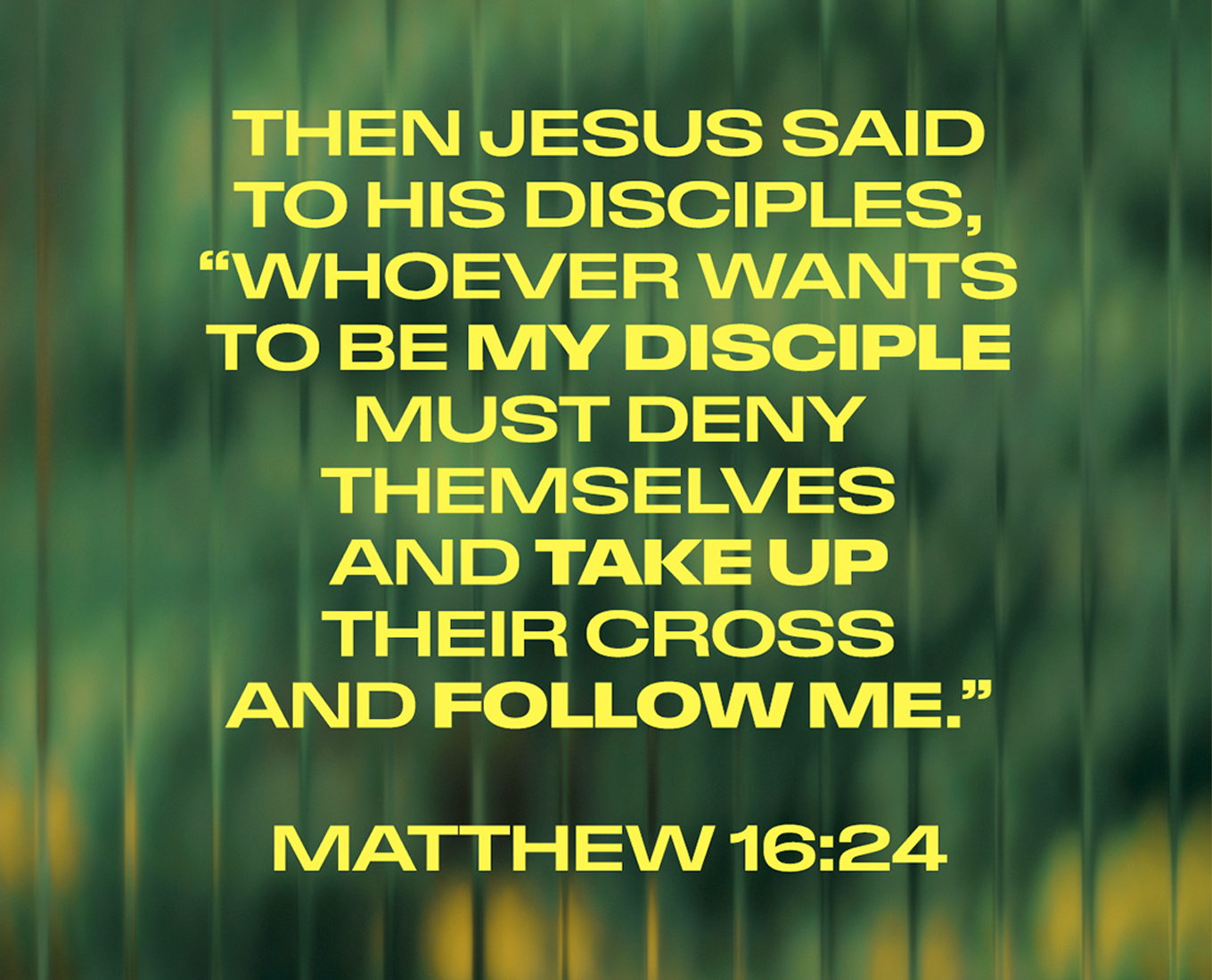
    In a culture that tells us to “pamper yourself” and “put yourself first,” the teachings of self-denial are particularly jarring. Jesus’ words to his disciples were shocking even in their own time. When he said, “Whoever wants to be my disciple must deny themselves and take up their cross and follow me,” his followers understood exactly what he meant.

    In the Roman-occupied world, taking up one’s cross was a public act of humiliation and execution. It meant dying to oneself completely. It was a clear and brutal metaphor for a total surrender of the self. Jesus was not suggesting a small sacrifice; he was calling for a radical departure from the idea that our lives are all about our own wants, desires, and dreams.

    The path to a truly fulfilled life is not found in prioritizing our own schedule, guarding our “me time,” or cutting people out who don’t add value. In fact, some of the most profound moments in life and faith are interruptions to our well-laid plans. It is in slowing down, being present with others, and allowing our schedules to be disrupted that we find the deepest purpose and love. The most important thing we do is not what we accomplish, but how we love.

    This is not a call to ignore our needs. It doesn’t mean we shouldn’t take a nap or enjoy a sweet treat. But it does challenge the motive behind our actions. If the sole purpose of self-care is for ourselves, it remains a selfish act. But if the purpose of self-care is to be healthy—mentally, emotionally, and spiritually—so that we can better love a higher power and serve others, then it is a selfless act. It is a purposeful act of filling your cup so you can pour into others.

    The Unshakeable Reality of Grace

    The “self-first” mentality often leads to a “self-centered” version of spirituality, where we pick and choose what we believe based on what’s comfortable. This is a faith of convenience that seeks to add a higher power to our lives without subtracting our own selfish nature. But a true, authentic faith is one of total surrender. It is a daily decision to die to our selfish desires and offer our lives as a “living sacrifice.”

    This is not a journey to be embarked upon through willpower alone. Our own self-love is a powerful force that we cannot defeat on our own. It is an internal battle that requires a supernatural intervention. This is why a true spiritual path is rooted in grace. We are not saved by our works or by our ability to be good. We are transformed by the perfect work of a higher power who, in an act of ultimate self-denial, gave everything for us.

    In view of that ultimate love and mercy, we are called to give our lives in return. It’s a profound exchange: a life of self-obsession for a life of purpose. It’s not about being perfect, but about being willing to deny ourselves and follow a higher path. This is a daily choice to surrender our own desires and live for a greater glory. It is a choice to step away from the lie of self-centeredness and into the truth that sets us free. This is a journey of true transformation, where we are made new from the inside out.

    A Reflection on Love

    The qualities of true love stand in stark contrast to the traits of a self-obsessed life. Love is patient and kind. It is not boastful or proud. It is not self-seeking or easily angered. These qualities are impossible to cultivate when we are consumed with our own needs and desires. Love cannot flourish in a self-centered environment.

    So, the question for reflection is this: In what area of your life are you loving yourself more than you are loving a higher power and loving others? And what is the next step you need to take toward a life of self-denial?

    This is a personal and sincere question, not a matter of judgment. It is an invitation to look inward with honesty and courage. When we do, we begin to see the areas where our lives are out of alignment with our true purpose. It is in this moment of honest confession and surrender that true change can begin.

    The “me-first” culture may promise happiness and freedom, but it is a lie. The path to a fulfilled life is not found in loving ourselves into happiness, but in denying ourselves and offering our lives as a living sacrifice. It is a journey that leads to a love that is patient, kind, and never fails, and a purpose that is greater than anything we could ever accomplish on our own.

  • Why Doesn’t God Give Me What I Want?

    Why Doesn’t God Give Me What I Want?

    Why Doesn’t God Give Me What I Want?

    Why Doesn’t God Give Me What I Want?

    Everywhere you turn, someone’s telling you how to live. A lot of times it’s well-intentioned and Almost True, but misses the mark in ways that can hurt us. How do we know which truths will actually lead to a meaningful life?

    Talk it Over

    The Power of Habits

    What you do every day is largely a result of your habits, not your decisions. A study from Duke University found that up to 40% of our daily actions are a result of habits. This is why people with similar goals often get different results; goals don’t determine success, systems do. As author James Clear puts it, “You don’t rise to the level of your goals, but you fall to the level of your systems.”

    A powerful example of this is the biblical figure Daniel. His remarkable success and character weren’t due to one single heroic act, but a consistent, lifelong habit. He prayed to God three times a day, every day. This one “keystone habit” served as the anchor for his entire life, influencing all his other decisions. Daniel’s story shows that you should never underestimate what can be started through one small, faithful act of obedience.


    Building a New Habit

    To create a new, positive habit, there are two key steps:

    • Make it obvious. Design your environment to support your goals. For instance, place your vitamins on the counter where you’ll see them, or put a book on your pillow to remind you to read before bed.
    • Make it easy. Start with a very small, simple action. Instead of trying to read the whole Bible in a year, commit to reading just one verse a day. Starting small builds momentum and makes it easier to stick with the habit over time.

    You can create a system for your new habit by using this simple formula: “I will do [new habit] after I do [current habit].” This links a new action to an existing routine, making it easier to remember. For example, “I will do five push-ups after I make my morning coffee.”

    The most crucial part of habit formation is identity. Our habits are a reflection of who we believe we are. The goal is to focus on who you want to become, not just what you want to achieve. When you define your desired identity, your actions begin to align with that person.


    Consistency is Key

    Change rarely happens overnight. Your life is the sum of all the small decisions you make. While a single good or bad action may seem insignificant, their cumulative effect over time is massive. Your small acts of faithfulness are not wasted; they are being stored up. At some point, you will hit a “tipping point” where the results become undeniable to everyone else. They may call you an “overnight success,” but they won’t have seen the years of private sacrifice and consistency that led to that moment.

    Remember, “it’s the things that no one sees that bring results everyone wants.” The key is to not grow weary in doing good. As a Christian, your ultimate goal should be to become more like Christ. Success isn’t found in a distant result, but in being faithful to God in the small things, today.

  • The Problem With Perfectionism

    The Problem With Perfectionism

    The Problem With Perfectionism

    The Problem With Perfectionism

    Everywhere you turn, someone’s telling you how to live. A lot of times it’s well-intentioned and Almost True, but misses the mark in ways that can hurt us. How do we know which truths will actually lead to a meaningful life?

    Talk it Over

    The Power of Habits

    What you do every day is largely a result of your habits, not your decisions. A study from Duke University found that up to 40% of our daily actions are a result of habits. This is why people with similar goals often get different results; goals don’t determine success, systems do. As author James Clear puts it, “You don’t rise to the level of your goals, but you fall to the level of your systems.”

    A powerful example of this is the biblical figure Daniel. His remarkable success and character weren’t due to one single heroic act, but a consistent, lifelong habit. He prayed to God three times a day, every day. This one “keystone habit” served as the anchor for his entire life, influencing all his other decisions. Daniel’s story shows that you should never underestimate what can be started through one small, faithful act of obedience.


    Building a New Habit

    To create a new, positive habit, there are two key steps:

    • Make it obvious. Design your environment to support your goals. For instance, place your vitamins on the counter where you’ll see them, or put a book on your pillow to remind you to read before bed.
    • Make it easy. Start with a very small, simple action. Instead of trying to read the whole Bible in a year, commit to reading just one verse a day. Starting small builds momentum and makes it easier to stick with the habit over time.

    You can create a system for your new habit by using this simple formula: “I will do [new habit] after I do [current habit].” This links a new action to an existing routine, making it easier to remember. For example, “I will do five push-ups after I make my morning coffee.”

    The most crucial part of habit formation is identity. Our habits are a reflection of who we believe we are. The goal is to focus on who you want to become, not just what you want to achieve. When you define your desired identity, your actions begin to align with that person.


    Consistency is Key

    Change rarely happens overnight. Your life is the sum of all the small decisions you make. While a single good or bad action may seem insignificant, their cumulative effect over time is massive. Your small acts of faithfulness are not wasted; they are being stored up. At some point, you will hit a “tipping point” where the results become undeniable to everyone else. They may call you an “overnight success,” but they won’t have seen the years of private sacrifice and consistency that led to that moment.

    Remember, “it’s the things that no one sees that bring results everyone wants.” The key is to not grow weary in doing good. As a Christian, your ultimate goal should be to become more like Christ. Success isn’t found in a distant result, but in being faithful to God in the small things, today.

  • When Self-Love Is Selfish

    When Self-Love Is Selfish

    When Self-Love Is Selfish

    When Self-Love Is Selfish

    We live in a culture that champions the self. From the moment we wake up, we’re told to prioritize our needs, honor our feelings, and pursue our own happiness above all else. The message is pervasive: you deserve “me time,” your needs come first, and you should cut anyone out of your life who doesn’t add value to it. This “self-first” philosophy is so deeply ingrained that it feels natural and true. After all, isn’t it true that we instinctively look at ourselves first in every group photo? We determine the quality of that photo based on how we look. Putting ourselves first is one of the most natural human instincts.

    Talk it Over

    The Deceptive Lure of Self

    Yet, this natural instinct is constantly at odds with a higher calling. While society urges us to prioritize ourselves, many spiritual traditions and timeless teachings propose a radical alternative. They suggest that our lives should be defined not by what we get, but by what we give; not by what we accomplish, but by how we love. The “self-first” mindset, while comforting and familiar, is a dangerous deception. It is “almost true” in its appeal, but ultimately, it’s a lie that leads to a life of isolation, anxiety, and a profound lack of fulfillment.

    The Paradox of Self-Obsession

    It’s a modern paradox: we are a generation obsessed with self-care, self-love, and personal fulfillment, yet we are more anxious, stressed, and depressed than ever before. If putting ourselves first is the key to happiness, why are we so miserable?

    The answer is both simple and confronting: perhaps our problem isn’t that we don’t love ourselves enough, but that we love ourselves too much.

    The “self-centered” view of life, and even of faith, suggests that a higher power exists to serve our needs. We believe we love this divine being, but in reality, we often love what we can get from it. When things don’t go our way, when a prayer isn’t answered in the way we want, our faith is shaken because we’ve built it on a foundation of self-interest rather than a genuine, selfless relationship.

    A core principle found in timeless spiritual wisdom is the call to love God and to love others. The teachings of Jesus make this clear. When asked about the greatest command, he didn’t say, “Love yourself.” He said to love God with all your heart, soul, and mind, and to “love your neighbor as yourself.” The crucial distinction here is that Jesus did not command us to love ourselves because he assumed we already do. He recognized that self-love is an innate human drive. We don’t need a command to put ourselves first; it’s what we do naturally. The challenge, then, is not to learn to love ourselves, but to redirect that powerful, innate love outward, toward a higher power and toward others.

    The Radical Alternative: Self-Denial

    In a culture that tells us to “pamper yourself” and “put yourself first,” the teachings of self-denial are particularly jarring. Jesus’ words to his disciples were shocking even in their own time. When he said, “Whoever wants to be my disciple must deny themselves and take up their cross and follow me,” his followers understood exactly what he meant.

    In the Roman-occupied world, taking up one’s cross was a public act of humiliation and execution. It meant dying to oneself completely. It was a clear and brutal metaphor. Jesus was not suggesting a small sacrifice; he was calling for a total surrender of the self. This call to deny ourselves is the ultimate antidote to the self-obsessed culture we live in. It is a radical departure from the idea that our lives are all about our own wants, desires, and dreams.

    The path to a fulfilled life is not found in prioritizing our own schedule, guarding our “me time,” or cutting people out who don’t add value. In fact, some of the most profound moments in life and faith are interruptions to our well-laid plans. It is in slowing down, being present with others, and allowing our schedules to be disrupted that we find the deepest purpose and love. The most important thing we do is not what we accomplish, but how we love.

    This is not a call to ignore our needs. It doesn’t mean we shouldn’t take a nap or enjoy a sweet treat. But it does challenge the motive behind our actions. If the sole purpose of self-care is for ourselves, it remains a selfish act. But if the purpose of self-care is to be healthy—mentally, emotionally, and spiritually—so that we can better love a higher power and serve others, then it is a selfless act.

    The Unshakeable Reality of Grace

    The “self-first” mentality often leads to a “self-centered” version of spirituality, where we pick and choose what we believe based on what’s comfortable. This is a faith of convenience that seeks to add a higher power to our lives without subtracting our own selfish nature. But a true, authentic faith is one of total surrender. It is a daily decision to die to our selfish desires and offer our lives as a “living sacrifice.”

    This is not a journey to be embarked upon through willpower alone. Our own self-love is a powerful force that we cannot defeat on our own. It is an internal battle that requires a supernatural intervention. This is why our faith is rooted in grace. We are not saved by our works or by our ability to be good. We are saved by the perfect work of a higher power who, in an act of ultimate self-denial, gave everything for us.

    In view of that ultimate love and mercy, we are called to give our lives in return. It’s a profound exchange: a life of self-obsession for a life of purpose. It’s not about being perfect, but about being willing to deny ourselves and follow a higher path. This is a daily choice to surrender our own desires and live for a greater glory. It is a choice to step away from the lie of self-centeredness and into the truth that sets us free. This is a journey of true transformation, where we are made new from the inside out.

    A Reflection on Love

    The qualities of true love stand in stark contrast to the traits of a self-obsessed life. Love is patient and kind. It is not boastful or proud. It is not self-seeking or easily angered. These qualities are impossible to cultivate when we are consumed with our own needs and desires. Love cannot flourish in a self-centered environment.

    So, the question for reflection is this: In what area of your life are you loving yourself more than you are loving a higher power and loving others? And what is the next step you need to take toward a life of self-denial?

    This is a personal and sincere question, not a matter of judgment. It is an invitation to look inward with honesty and courage. When we do, we begin to see the areas where our lives are out of alignment with our true purpose. It is in this moment of honest confession and surrender that true change can begin.

    The “me-first” culture may promise happiness and freedom, but it is a lie. The

  • The Invisible God

    The Invisible God

    The Invisible God

    The Invisible God

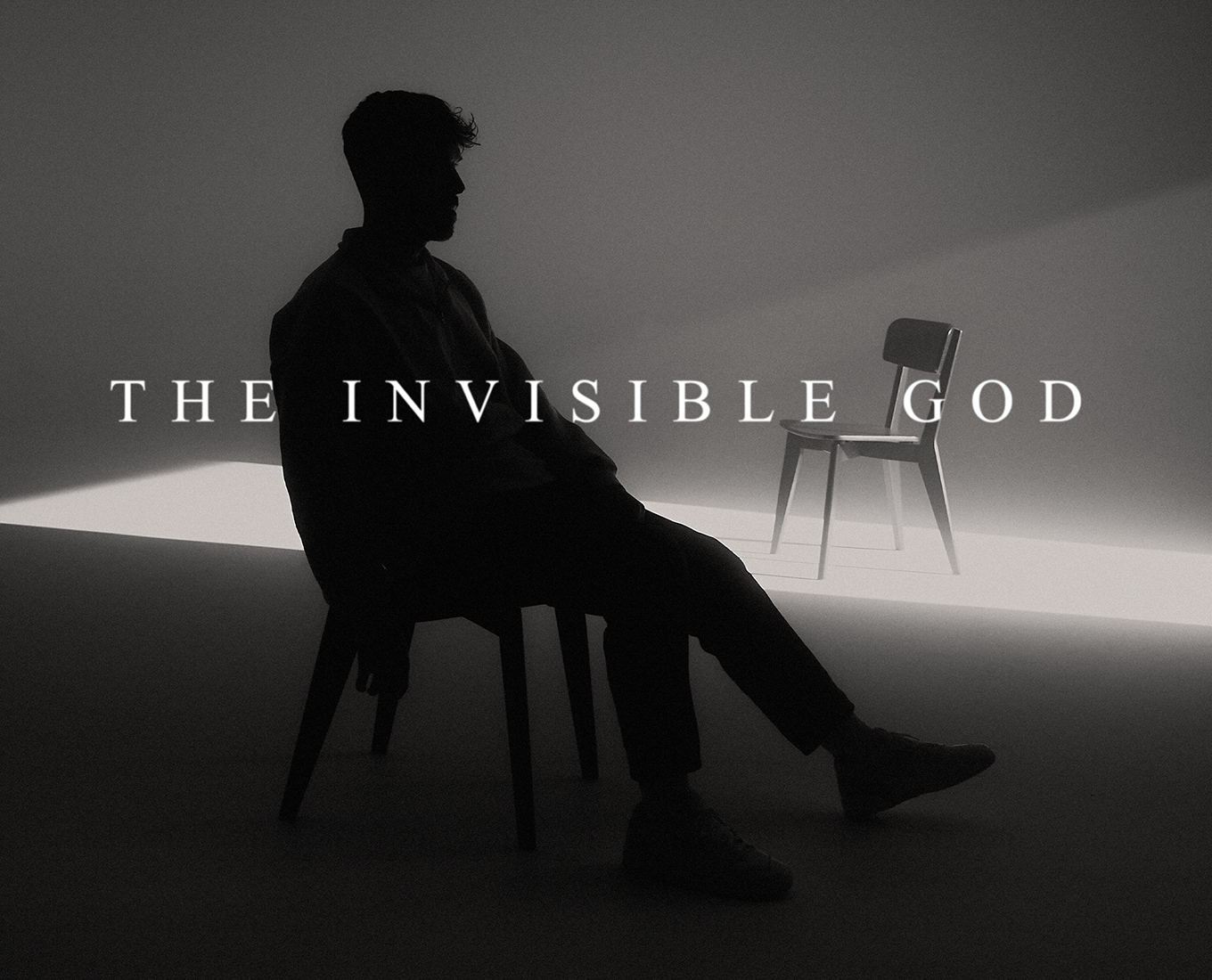
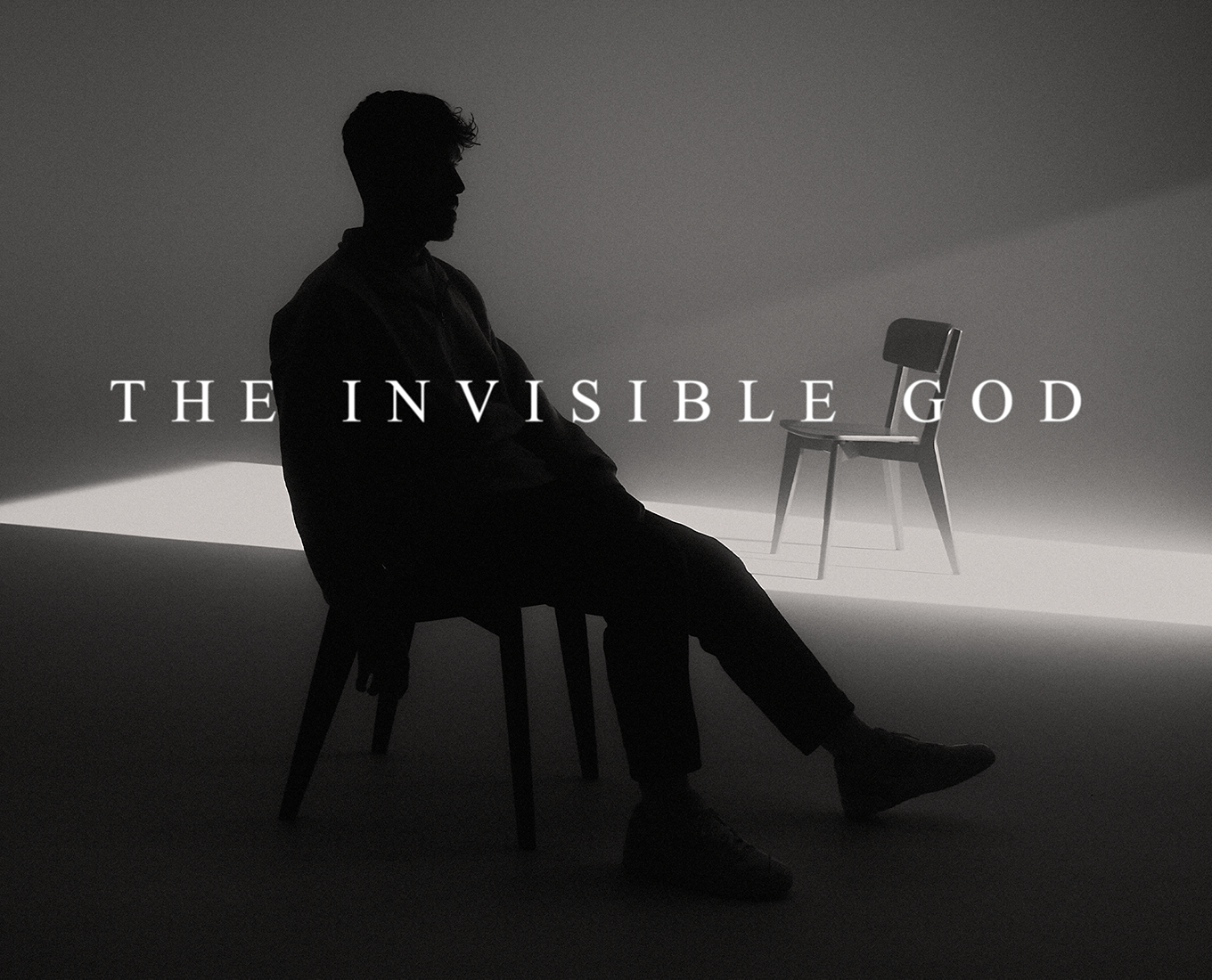
    He never remembered a time he truly smiled.

    Not the ones he gave politely, or the ones he wore for pictures. Not the ones that made others feel comfortable or the ones he had to give when someone said something funny but he didn’t quite feel the laughter reach his chest. Those were masks—necessary, maybe. Familiar, certainly. But never real. Real, he imagined, must feel like light breaking through the ribs. He had never known that kind of light.

    Talk it Over

    Rest in The Invisible God

    Sometimes, in his quietest hours, he wondered if that light belonged only to the Invisible God—the One he could not see, the One he could not quite touch, but the One he still hoped might find him.

    As a boy, people often said he looked serious. Thoughtful. Quiet. Some said he was just shy. Others said he was deep. But no one ever said he looked happy. Not even in the photos tucked into boxes in his attic. Not even in the videos where everyone else seemed to be carried away by the music or the moment. He was present, but never quite… lifted.

    Still, he lived. He learned how to be liked. How to keep people company. How to offer kindness, advice, encouragement. He had become quite good at showing up. People would even call him strong. But strength, he knew, was often misread. Sometimes it was just long-term survival. And survival, by its nature, does not lend itself to smiling. It demands endurance. Endurance has little time for joy.

    He wasn’t cold. Just closed. Closed to anything that might let the world see how tired he really was. How disappointed. How much he had once hoped for things that never came. The smiles that never formed were not because he didn’t want them. He just didn’t know how to hold them.

    There was a moment—a morning, specifically—when it all changed.

    He didn’t expect it. No one does. The sky was ordinary. The coffee slightly too bitter. He had slept restlessly again, and his feet were dragging him into a day he hadn’t asked for. But something about the way the sun touched the wall next to the window caught him off guard. It was soft, golden, like something out of a painting he would never think to hang in his own home. Something about it slowed him.

    He sat down. Not to write. Not to think. Just to stop. To let the room be what it was without his doing.

    And in the stillness, he began to remember. Not events. Not moments. But himself. The self beneath the habits, beneath the patterns. The self who once felt things, not just analyzed them. He remembered a boy who used to believe that one day, life would feel full.

    And then he cried.

    It wasn’t loud. It wasn’t cinematic. It was just real. Silent, warm streaks across the face of a man who had grown tired of pretending he didn’t feel. And in those tears, he found the first flicker of something new.

    He began to write again. Slowly. Hesitantly. Like someone trying to remember a language they used to know. Not to impress. Not to publish. Just to speak. To speak the things that had lived unspoken for far too long.

    Over time, his writing turned into something more. Not better. Just clearer. He wrote not to teach, but to tell. Not to answer, but to ask. And the questions were always more sacred than the answers.

    He began carrying a small notebook. Sometimes it held entire reflections. Sometimes just a single phrase that haunted him until it found its place. The notebook became like a mirror, except it told the truth he could never see in glass.

    And then came the day he stood in front of a group—not a crowd, not an audience, just a circle of fellow travelers—and he was asked to read something he had written. He hesitated. That old fear returned: What if they see too much? What if they don’t understand?

    But a quiet voice within him whispered something softer: What if they do?

    So he pulled out a folded page—worn, the edges beginning to tear—and with trembling hands, he began to read:

    “Can I Smile There?”

    A reflection in the mirror of God

    Today seemed different.

    The light came,

    but it didn’t reach me.

    It stayed behind the clouds,

    and I stayed behind my ribs—

    where everything echoed.

    I showed up like I always do—

    strong, holding space,

    staying grounded until even the ground beneath me cracked.

    And I cracked with it.

    They didn’t see it.

    They never do.

    They see the smiles.

    They hear the calm voice.

    They trust the man who doesn’t flinch.

    But I flinched today.

    Quietly.

    So quietly that only the ringing in my ears noticed.

    I wanted to ask for God.

    I did.

    But the words got lost

    somewhere between my courage and my exhaustion.

    And so I asked with my ache.

    I asked by showing up

    when I had nothing left to bring.

    I watched the day pass—

    trees swaying,

    the sky holding back its color,

    and life moving forward

    as if it had somewhere better to be.

    I sat there,

    a well-worn man with well-worn thoughts,

    smirking at the irony of aall—

    how the ones who make others laugh

    are often the ones who cry in silence

    just for a taste of what they give away.

    I rewound through my life—

  • The Five Points of a Serene Life

    The Five Points of a Serene Life

    The Five Points of a Serene Life

    The 5 Points & 4 Paths of Realized Serenity offer a comprehensive framework for inner peace, starting with the Five Points—Conscious Movement, Intentional Breathing, Deep Relaxation, Nourishing Foods, and Positive Focus & Meditation—which serve as the practical, foundational pillars for creating a stable and healthy lifestyle that supports the body and mind. Building upon this foundation, the Four Paths—Action, Devotion, Wisdom, and Meditation—provide distinct yet interconnected ways for our unique personalities to authentically express this serenity and find deeper meaning, allowing us to channel our inner peace outward in a way that is true to who we are.

    The Five Points of a Serene Life

    These are the five foundational pillars of a lifestyle that supports serenity. They are the practical, daily actions that create a stable and healthy container for spiritual growth.

    1. Conscious Movement: Uniting the mind and body through mindful motion to create a steady body for a steady mind.
    2. Intentional Breathing: Using the breath as a bridge to the internal world to manage vital energy and calm the nervous system.
    3. Deep Relaxation: Consciously and systematically releasing tension from the body and mind to conserve and replenish energy.
    4. Nourishing Foods: Choosing foods that promote a state of calm and clarity, understanding that the quality of our food influences the quality of our consciousness.
    5. Positive Focus & Meditation: Actively tending the garden of the mind by consciously directing thoughts and transcending thought altogether.

    The Four Paths of Personal Expression

    These are the four primary ways our personalities naturally express serenity. They are distinct but interconnected approaches to spiritual growth, describing how we find meaning and connection in the world.

    1. The Path of Action: Finding serenity in service and engaging with the world fully, with non-attachment to the results.
    2. The Path of Devotion: Finding serenity in love, channeling the powerful currents of emotion toward a higher purpose.
    3. The Path of Wisdom: Finding serenity in self-inquiry, using the intellect to understand the nature of reality and the self.

    The Path of Meditation: Finding serenity in stillness, using disciplined concentration to quiet the mind and reveal the peace within.

  • The First Point: Conscious Movement

    The First Point: Conscious Movement

    Chapter 4 of Realized Serenity
    The First Point: Conscious Movement

    The First Point: Conscious Movement

    The journey to inner stillness begins with the body. Conscious Movement is a moving meditation where the quality of your attention is more important than the intensity of your effort. A steady body helps create a steady mind, preparing a comfortable container for a quiet and serene inner world.

    Excerpt

    The journey to inner stillness begins with the body. In our modern lives, we often treat our bodies as vehicles to carry our minds from one task to the next. We live in our heads, disconnected from the physical sensations and wisdom of the body. The first point of our foundational practice is to heal this disconnect through Conscious Movement.

    This is not exercise in the conventional sense. The goal is not to burn calories or build muscle, though those may be pleasant side effects. The primary purpose of Conscious Movement is to unite the mind and body in a single, focused activity. It is a moving meditation where the quality of your attention is more important than the intensity of your effort.

    A Steady Body for a Steady Mind

    The core insight of this practice is simple yet profound: a steady body helps create a steady mind. When you intentionally place your body into a posture and hold it with gentle awareness, you are training your mind to do the same. The restlessness of the body and the restlessness of the mind are deeply interconnected. By learning to be still and comfortable in a physical form, you teach your mind that it, too, can be still and comfortable.

    This practice systematically works on all parts of the body, stretching and toning muscles and ligaments, improving the flexibility of the spine, and enhancing circulation. These physical benefits are crucial because they remove bodily distractions. It is difficult to find mental peace when your back aches or your body feels stiff and sluggish. Conscious Movement prepares the body to be a comfortable container for a quiet mind.

    How to Practice Conscious Movement

    The Foundational Movement Sequence in the appendix is your primary tool for this practice. As you move through it, keep these principles in mind:

    • Move with Your Breath: Let your breath guide the pace. Typically, you might inhale as you expand or lift and exhale as you contract or fold. This synchronicity anchors your awareness in the present moment.
    • Find Your Edge with Kindness: The goal is to find a gentle stretch, not to push into pain. This “edge” is the place where you feel sensation but can still breathe calmly. Pushing too hard creates tension, which is the opposite of our goal.
    • Embrace Stillness: The moments of holding a posture are just as important as the movement between them. In these moments of stillness, bring your full attention to the physical sensations in your body. Notice the stretch, the strength, the balance. If the mind wanders, gently guide it back to the feeling of being in your body.

    By practicing in this way, you are not just exercising; you are cultivating a deeper relationship with your body. You learn to listen to its signals, respect its limits, and appreciate its strength. This practice builds a foundation of physical well-being that makes the higher states of mental and spiritual serenity possible. It is the essential first step in returning home to yourself.

    This Week’s Practice

    For five minutes each morning, before you do anything else, stand up and do a few simple, conscious stretches. Reach your arms overhead, gently twist your spine, and roll your shoulders. Pay full attention to the physical sensations, linking your movement to your breath.

    Going Deeper

    • How often during the day do you notice the physical sensations in your body? Where do you tend to hold tension?
    • What is one way you could bring more conscious movement into a routine part of your day, like walking to your car or climbing stairs?

    An Affirmation for the Path

    “My body is my anchor to the present moment. I move with kindness and awareness.”